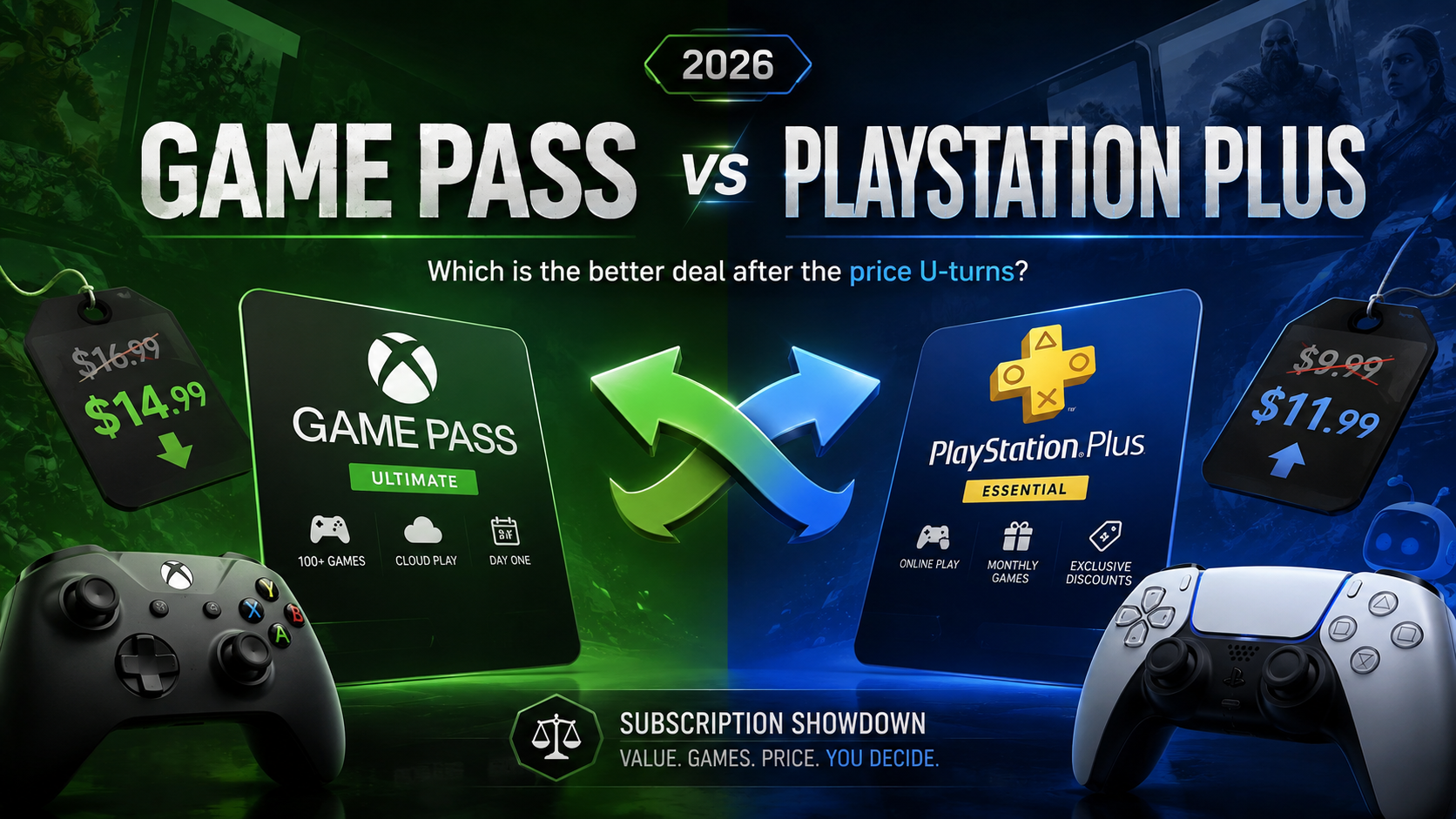

For most of the last decade, the game pass vs playstation plus argument had a lazy answer: Game Pass was the value king, PS Plus was the thing you tolerated because you owned a PlayStation. Everyone knew the script.
Then 2026 tore it up. In April, Xbox blinked and cut Game Pass Ultimate from $29.99 back down to $22.99 a month – but paid for it by pulling day-one Call of Duty out of the subscription. A month later, Sony went the other way and raised every monthly PlayStation Plus tier. The two services spent the spring swapping strategies, and the old “just get Game Pass” reflex stopped being true.
So which one do you actually pay for now? Here’s the honest breakdown, with the exact prices, the exact trade-offs, and a pick for each kind of player.
The TL;DR verdict
Neither one wins outright, and anyone telling you otherwise is selling something. It comes down to which console is under your TV and whether you play new games at launch or wait a year.
Get Game Pass Ultimate ($22.99/mo) if you play on Xbox or PC and want brand-new AAA games the day they drop. It’s still the most games-per-dollar on the market – just know it no longer includes Call of Duty at launch, which for some households is the whole reason they subscribed.
Get PlayStation Plus if you own a PS5. It’s the steadier, cheaper option for people who buy the big Sony blockbusters a year late through the catalog, and you basically can’t play paid games online without it. One rule if you go this route: pay annually. Sony’s May 2026 hike hit monthly and quarterly plans but left the yearly price alone, so the annual plan is quietly the best value in either ecosystem.
And if you only finish one or two games a year? Skip the top tier entirely. More on that near the end.
What actually changed in 2026 (the price timeline)
The reason this comparison reads differently than it did last year isn’t a new feature. It’s a three-move sequence that most “which is better” explainers skip right past, and the sequence is the story.
Rewind to October 2025. That’s when Xbox pushed Game Pass Ultimate up to $29.99 a month, a steep jump from the $19.99 it had held for years. The backlash was loud, and reporting through early 2026 kept circling the same point: the price hike hadn’t delivered the subscriber growth Microsoft wanted. Momentum, if anything, had drifted toward PlayStation.
So Xbox reversed course.
Xbox cut the price – and paid for it with Call of Duty
On April 21, 2026, Xbox dropped Game Pass Ultimate from $29.99 back to $22.99 a month, and cut PC Game Pass from $16.49 to $13.99. A genuine reversal, if not a full one – Ultimate still sits above its old $19.99 line.
The catch showed up in the fine print. Future Call of Duty titles will no longer join Game Pass Ultimate or PC Game Pass at launch. Instead they’ll arrive during the following holiday season, roughly a year later, while existing Call of Duty games already in the library stay put. For a company that paid $68.7 billion for Call of Duty’s parent studio in 2023, pulling the series out of day-one is a loud admission that the old $29.99 math wasn’t holding. Microsoft cut the price and clawed back the cost somewhere the accountants could live with.
Sony raised prices – but only where it hurts new subscribers
Then Sony leaned the opposite direction. Effective May 20, 2026, PlayStation Plus went up across the board on monthly plans: Essential from $9.99 to $10.99, Extra from $14.99 to $16.99, Premium from $17.99 to $19.99. Quarterly plans rose too.
Here’s the part worth reading twice: annual subscriptions weren’t touched. This was Sony’s second hike under the three-tier structure it introduced in 2022, the last one back in September 2023, and both times the yearly commitment came out cheaper per month than the monthly plan. So while Xbox spent 2026 chasing value back down, Sony nudged prices up – but built a side door for anyone willing to commit for twelve months.
Price, tier by tier
If you just want the numbers, this is the ps plus vs xbox game pass price section. Both services run three main consumer tiers (Game Pass also has a PC-only plan), and after 2026’s shuffle they line up closer than they’ve ever been.
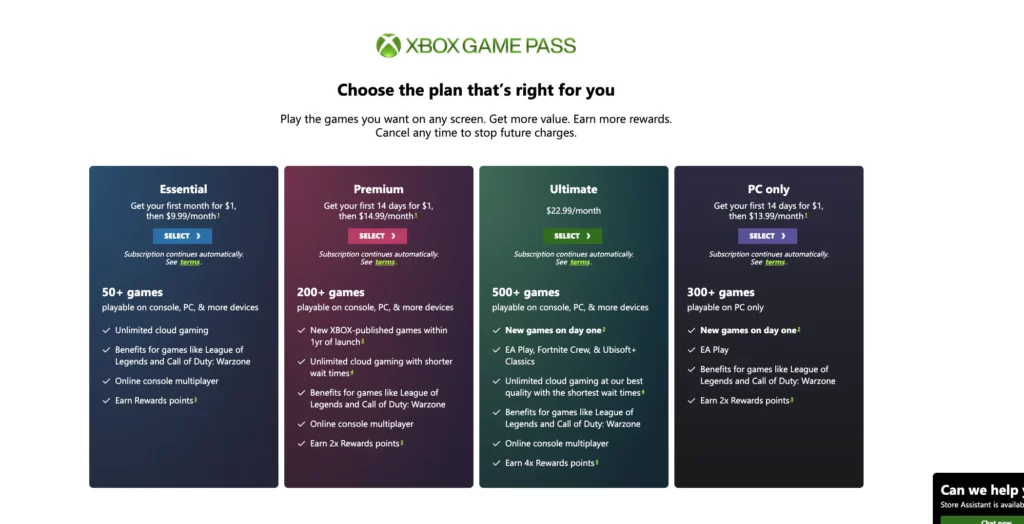
Xbox Game Pass
| Aspect | Essential | Premium | Ultimate |
|---|---|---|---|
| Price (monthly) | $9.99 | $14.99 | $22.99 |
| Day-one new releases | No | No | Yes |
| Cloud gaming | Limited | Limited | Yes (unlimited) |
| EA Play included | No | No | Yes |
| PC + console access | – | – | Yes |
The Essential and Premium tiers held their $9.99 and $14.99 prices through the game pass ultimate price cut – only Ultimate and the PC plan moved. Ultimate is the one everyone means when they say “Game Pass”: day-one launches, EA Play, unlimited Xbox Cloud Gaming, and both PC and console libraries in one login.
- Pros: best catalog breadth, day-one AAA on Ultimate, online multiplayer bundled into every tier, works across PC and console.
- Cons: no annual discount at all, and Ultimate lost launch-day Call of Duty.

PlayStation Plus
| Aspect | Essential | Extra | Premium |
|---|---|---|---|
| Price (monthly) | $10.99 | $16.99 | $19.99 |
| Price (annual) | $79.99 | $134.99 | $159.99 |
| Game catalog | No | Hundreds of PS4/PS5 titles | Extra + PS1-PS3 classics |
| Day-one first-party | No | No | No |
| Online multiplayer | Yes | Yes | Yes |
Extra is the tier most people want: a deep on-demand catalog of hundreds of PS4 and PS5 games. Premium stacks a streaming library of PS1 through PS3 classics on top. Notice there’s no day-one column that says “yes” – PlayStation Plus has never put first-party games into the subscription on launch day, and 2026 didn’t change that.
- Pros: the annual plan dodged the May hike, real classics catalog on Premium, cheaper yearly cost than Ultimate.
- Cons: every tier keeps creeping up on monthly billing, and you’re paying partly just to play games you already own online.
The single biggest divide in this table isn’t a price. It’s the annual row. PlayStation Plus rewards a yearly commitment; Game Pass Ultimate has no annual plan at all. Keep that in your back pocket – it decides the value math later.
Day-one games vs catalog depth
This is the real fork in the road, and it’s where the two subscriptions stop being comparable on a spreadsheet. One sells you tomorrow’s games today. The other sells you a huge back catalog you dip into on your own schedule. Deciding between them is really deciding which of those you value.
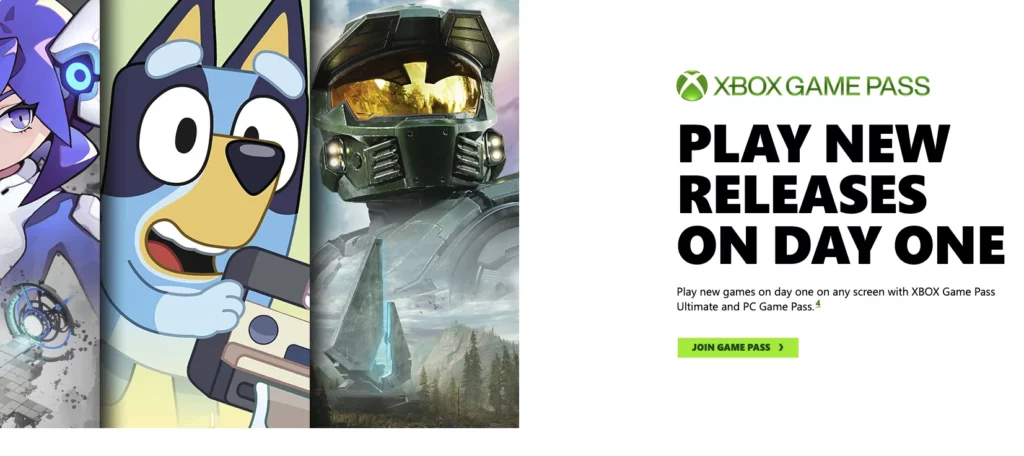
Game Pass day-one (Ultimate and PC only) – and the Call of Duty asterisk
The day-one games subscription pitch is Game Pass’s whole identity, and it’s still the most compelling reason to subscribe. New releases from Xbox studios and partners land in the subscription the same day they hit stores – but only on Ultimate and PC Game Pass. Essential and Premium subscribers don’t get launch-day titles, a distinction Xbox is upfront about on its own Play Day One page.
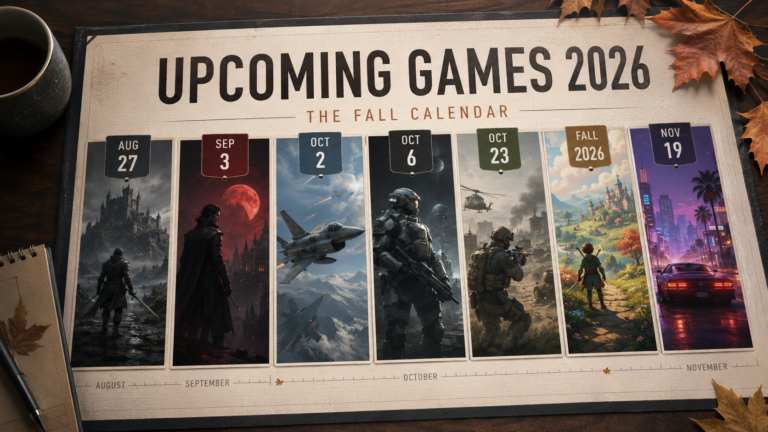
Recent launches have kept the pipeline honest, and this fall’s calendar has more coming worth your time – if you want a sense of what’s actually worth buying day one this fall, the day-one model is exactly what a Game Pass subscription is buying you.
The asterisk is Call of Duty. Going forward, new entries in the series skip launch day and turn up in Game Pass about a year later, over the following holiday season. If your household buys a Call of Duty at release every year – and a lot of households do exactly that – the subscription no longer covers your single biggest annual purchase. That’s not a small footnote. For some players it flips the entire decision.
PS Plus catalog and classics (Extra and Premium) – depth, not day-one
PlayStation Plus plays a slower game. There’s no day-one first-party model here and there never was. What you get instead, from Extra up, is hundreds of PS4 and PS5 titles on demand, with Premium adding a streaming catalog of PS1 through PS3 classics for anyone who wants to revisit the back catalog.
The upside is real: Sony’s big exclusives tend to land in the Extra catalog eventually, usually somewhere around a year after release. So the natural PS Plus player is someone patient – happy to play the year’s blockbuster next year, for a subscription fee instead of $70 up front. The trade-off is equally real: if you refuse to wait, you’re still buying those games at full price on top of the sub.
The catch nobody puts on the box: online multiplayer
Here’s a difference that quietly reshapes the “which is cheaper” question, and it almost never makes the marketing.
On PlayStation, you need PlayStation Plus to play most paid games online. Bought the new shooter at retail and want to play with friends? You still need at least the Essential tier. Only free-to-play games are exempt from that paywall.
Xbox handles this differently. Online multiplayer is bundled into every Game Pass tier, right down to Essential – there’s no separate “pay to play online” gate sitting on top.
That reframes the entry-level math. A PS5 owner who mostly plays online and doesn’t care about the catalog isn’t really choosing whether to subscribe – PlayStation Plus Essential at $10.99 a month is close to mandatory just to use the online features of games they already own. That’s not a knock on the catalog; it’s a cost you should count before you compare tiers.
Value math: what you actually pay per year
Line up the yearly totals and the annual-plan gap from earlier turns into a real number.
Game Pass Ultimate has no annual discount, so twelve months at $22.99 runs about $275.88 a year – full price, every month, no way to bring it down. PlayStation Plus Premium, by contrast, costs $159.99 for the year if you buy the annual plan, which the May hike left untouched. That’s a gap of roughly $116 for the top tier of each service.
So does Game Pass justify costing more? It can – but only if you’re genuinely playing day-one releases. If you’d otherwise buy two or three new $70 games a year at launch, Ultimate’s day-one access pays for itself and then some, even at $275.88. That’s the EA Sports FC and Madden crowd, the people who buy the same franchises every year – annual sports titles alone can cover the difference.
But if you’re the patient type who’s happy waiting a year for the big games, PS Plus Premium’s catalog gives you most of what matters for $116 less. The math only favors Ultimate when you’re actually cashing in the day-one privilege you’re paying for. Sitting on it makes it the worse deal by a wide margin.
This is exactly the value question worth asking before any gaming purchase – the same “is this actually worth it for how I play?” test that should apply to whether a new console is worth the money in the first place.
Who should pick which (the use-case verdicts)
The honest answer to game pass vs playstation plus isn’t a single winner – it’s a set of picks. Find yourself in one of these.
Get Game Pass Ultimate if…
You play on Xbox or PC and you want new games the day they release. At $22.99, Ultimate is still the best games-per-dollar deal going, especially if you also play EA Play titles, which are bundled in. The one honest caveat: if Call of Duty at launch was your reason to subscribe, that reason is gone until roughly a year post-release. Weigh that before you commit.
Get PlayStation Plus if…
You own a PS5, you play online, and you’re fine buying Sony’s blockbusters a year late through the catalog. This is the steadier, cheaper path – and if you take it, buy the annual plan. Sony’s 2026 hike spared yearly subscriptions, so committing for twelve months is the single smartest way to sidestep the ps plus price hike 2026 entirely.
Get both if…
You genuinely split your time across a PS5 and an Xbox or gaming PC, and money isn’t the deciding factor. Ultimate plus PS Plus Premium runs about $42.98 a month combined. That’s a real chunk of change, and only worth it if both platforms see steady playtime – otherwise you’re paying twice for overlapping libraries.
Skip the top tier if…
Here’s the take the hype won’t give you: if you finish one or two games a year, or you mostly play free-to-play online, neither premium subscription earns its keep. Just buy the game. On PlayStation, grab Essential at $10.99 purely for the online access and stop there. On Xbox, drop to Premium or Essential and skip the day-one tax you’re not using. The best gaming subscription 2026 has to offer is sometimes no premium subscription at all – and a reviewer who won’t tell you that isn’t worth reading.
Wrap up
The 2026 story is that Xbox and Sony swapped strategies mid-air. Microsoft cut Game Pass Ultimate back to $22.99 and paid for it by benching day-one Call of Duty; Sony raised every monthly PlayStation Plus tier but left the annual plan as a quiet escape hatch. The two services converged on price from opposite directions, and that’s what makes the choice feel different now.
The short version:
- Xbox or PC, want new games day one → Game Pass Ultimate at $22.99, unless launch-day Call of Duty was your whole reason.
- PS5 owner who plays online and waits on blockbusters → PlayStation Plus, and pay annually to dodge the hike.
- Both platforms, both used often → both, at roughly $42.98/mo.
- One or two games a year → skip the top tier; buy the game, or grab PS Plus Essential just for online.
Both companies will keep moving these prices – this is the second Sony hike in three years and Xbox’s first cut ever, so treat any figure here as a snapshot and re-check the official pages before you buy. But the shape of the decision is stable: Game Pass sells you today, PlayStation Plus sells you patience. Pick the one that matches how you actually play, not the one with the louder marketing.
Frequently asked questions
Is Game Pass Ultimate still worth it after the Call of Duty change?
For most Xbox and PC players who play day-one releases, yes – at $22.99 a month it’s still the best catalog value going. But if buying Call of Duty at launch every year was your main reason to subscribe, that value drops sharply, since new entries now skip launch day and arrive about a year later.
Can you play online multiplayer without PS Plus?
Mostly no. On PlayStation, you need at least PS Plus Essential ($10.99/mo) to play paid games online. The exception is free-to-play titles, which don’t require a subscription for online modes. On Xbox it’s different – online multiplayer is bundled into every Game Pass tier, so there’s no separate paywall.
Why did PlayStation Plus prices go up in 2026?
Sony raised PS Plus monthly and quarterly prices effective May 20, 2026 – Essential to $10.99, Extra to $16.99, Premium to $19.99. It was the second hike under the three-tier structure Sony introduced in 2022. Annual subscriptions were left untouched, so buying yearly is the way to avoid the increase entirely.
Does PS Plus Premium have day-one games?
No. PlayStation Plus has never included first-party games in the subscription on launch day, and Premium is no exception. What Premium adds is a deeper catalog – hundreds of PS4/PS5 titles from Extra, plus a streaming library of PS1 through PS3 classics. Day-one is a Game Pass feature, not a PS Plus one.
Can you subscribe to both Game Pass and PS Plus?
Yes, and plenty of people do. Running Game Pass Ultimate ($22.99) alongside PS Plus Premium ($19.99) costs about $42.98 a month combined. It only makes sense if you genuinely play on both a PlayStation and an Xbox or PC regularly – otherwise you’re paying twice for libraries that partly overlap.
Which is cheaper overall, Game Pass or PlayStation Plus?
PlayStation Plus, if you buy annually – Premium is $159.99 a year, while Game Pass Ultimate has no annual discount and runs about $275.88 a year at $22.99 monthly. Game Pass only wins on value when you’re actively using day-one access; PS Plus is the cheaper flat cost for patient players.